California State
Legislature 101
California has a bicameral Legislature, meaning it has two lawmaking bodies:
the Assembly & the Senate
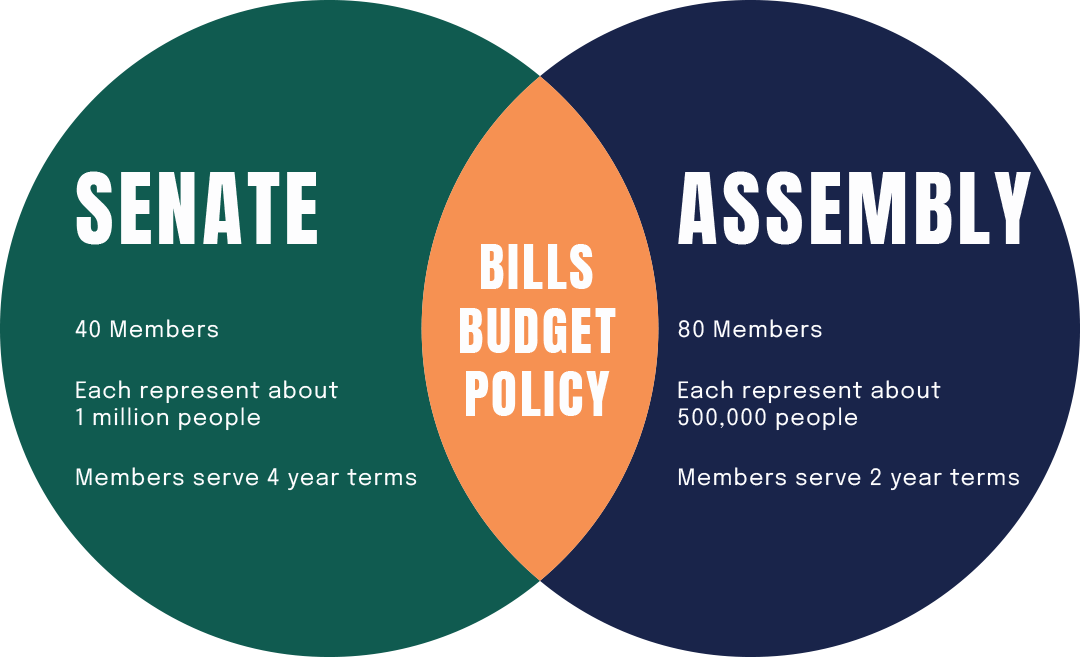
California’s Legislature operates on a two-year session, during which lawmakers introduce and vote on bills, negotiate the state budget, and advance policy priorities.
State Legislators are different from Congressional Representatives
State Legislators create laws and budget decisions for the residents in their state, while members of Congress represent their state to make federal laws for the entire country.

UnderstandinG
California’s
Legislative Process
The California legislative process is how an idea becomes a state law
Every year, state legislators introduce hundreds of bills that propose changes to existing laws or create new ones. Each bill must go through a series of steps, with multiple opportunities for public input, before it can become law.
How You Can Have a Voice in the Process
Suggest ideas for new laws
Submit letters of support or opposition
Meet with legislators and staff
Speak at committee hearings
Your voice helps shape state policy decisions that affect communities across Los Angeles County

HOW AN IDEA BECOMES A LAW
-
A legislator begins the process by drafting and introducing a bill. Bills can address any area of state law and may be inspired by community needs, local issues, county priorities, or statewide challenges.
-
After introduction, bills are reviewed by committees that focus on specific issues such as health, education, transportation, or public safety.
Committees:
Hold public hearings
Listen to testimony
Debate the proposal
Make changes to improve the bill
If a committee approves the bill, it moves forward.
-
Bills that could cost the state money go to the Appropriations Committee. These committees evaluate:
The estimated cost of the bill
Whether the state can absorb the expense
How the proposal fits into broader budget priorities
Some bills advance; others are paused for cost concerns and may not move forward that year.
-
If a bill clears committee review, the full Assembly or Senate votes on it. Most bills need a simple majority to pass.
Certain measures–like constitutional amendments or bills that take effect immediately– require a two-thirds vote.If approved, the bill moves to the other house and repeats the same steps.
-
If the second house changes the bill, the first house must vote again to agree on the final version. Both houses must approve identical language before the bill can move on.
-
Once both houses agree, the bill is sent to the Governor, who can:
Sign the bill into law
Allow it to become law without a signature
Veto it
Most new laws take effect on January 1 of the following year, unless the bill specifies an earlier date.
How This Differs from the Budget Process
The legislative process is separate from the state budget process, which follows its own rules and timelines.
Both can change state law, but the budget process is often faster and focused on funding decisions.
Many major policy changes in California move through both pathways.
The Role
of a State
Legislator
State legislators —California’s Assemblymembers and Senators—are elected to create and shape the laws, budget decisions, and policies that impact daily life across the state. They represent the needs of their districts in Sacramento and work to ensure that the state’s decisions support the well-being of the people and communities they serve.
Why Their Role Matters
State legislators are key partners in shaping the future of Los Angeles County and California as a whole. Knowing what state legislators do and how they influence major decisions about funding, laws, and services helps residents better engage with government and advocate for their community.
State Legislators
vs. Members
of Congress
State legislators
State Legislators focus on California-level issues like housing, schools, transportation, and state programs
Members of Congress
Members of congress create federal laws and address national issues like immigration, foreign policy, and federal taxes
In short: State legislators bridge local needs with statewide decision-making

What State
Legislators Do
1. Make State Laws
They introduce, debate, amend, and vote on bills that can:
Create new laws
Update or reform existing laws
Expand or improve statewide programs and protections
These decisions directly affect areas like housing, transportation, health care, public safety, education, and environmental policy.
2. Shape the State Budget
Legislators negotiate the annual California budget, which determines how billions of dollars are invested in:
Schools
Health and social services
Infrastructure and transportation
Housing and homelessness response
Emergency and climate resilience
Local government programs
3. Represent Their District
Legislators respond to the needs of the residents, organizations, and businesses in their district by:
Listening to community concerns
Supporting local priorities
Bringing regional issues to the attention of the state
Helping constituents navigate state agencies
4. Oversee State Agencies
They monitor how state programs are implemented, ensure taxpayer dollars are used effectively, and request improvements when needed.
How to Know if
a State Legislator
Is Effective
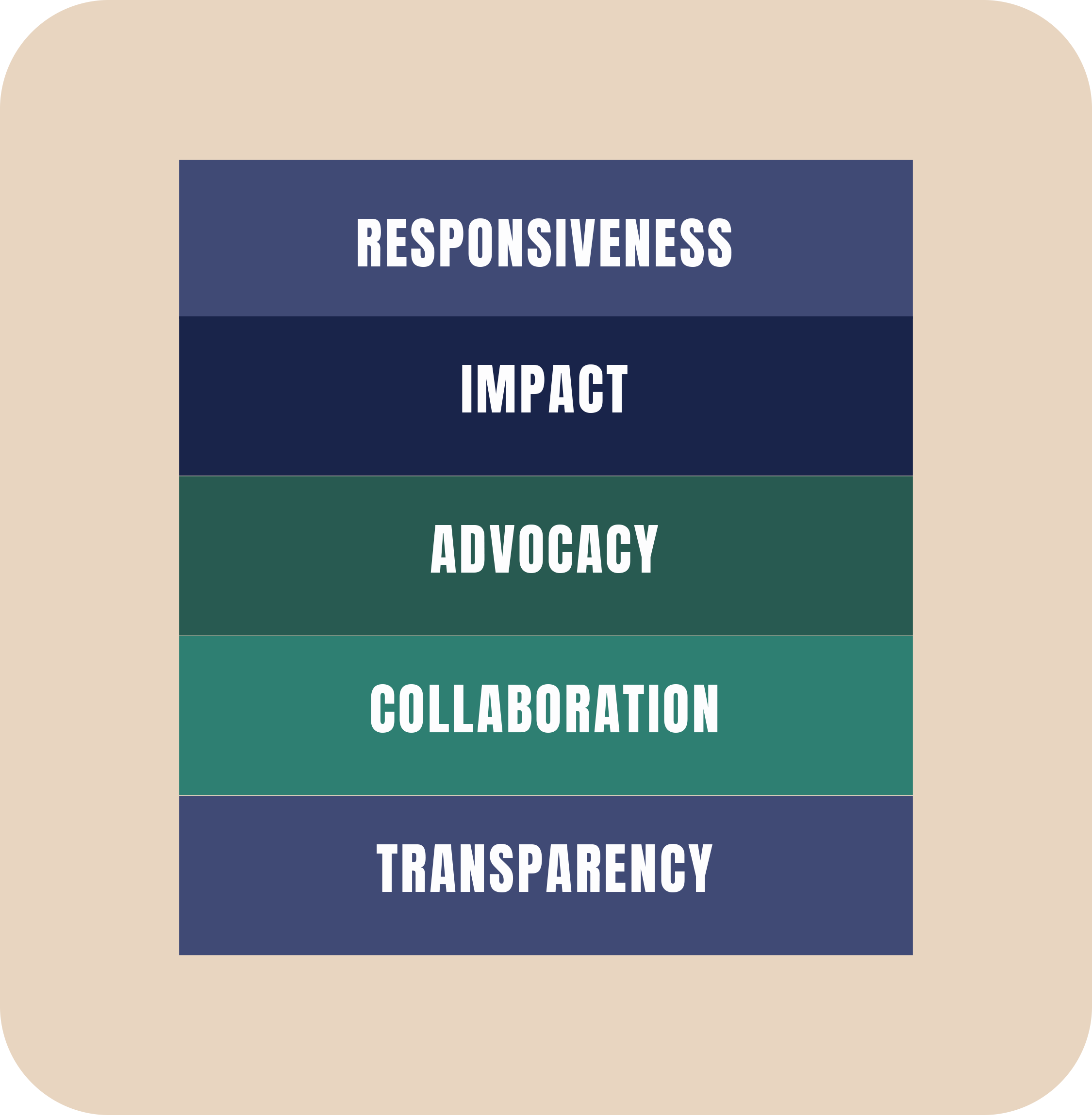
Assessing a legislator’s effectiveness can include several factors.
Responsiveness to the Community
Are they accessible to residents and local organizations?
Legislative Impact
Do they author or support bills that address the needs of their district’s communities?
Budget Advocacy
Do they fight for investments into local priorities?
Collaboration
Do they work effectively with other legislators, agencies, and local governments?
Transparency & Communication
Are they clear about their priorities and actions?
LEGISLATIVE
DISTRICT MAPS
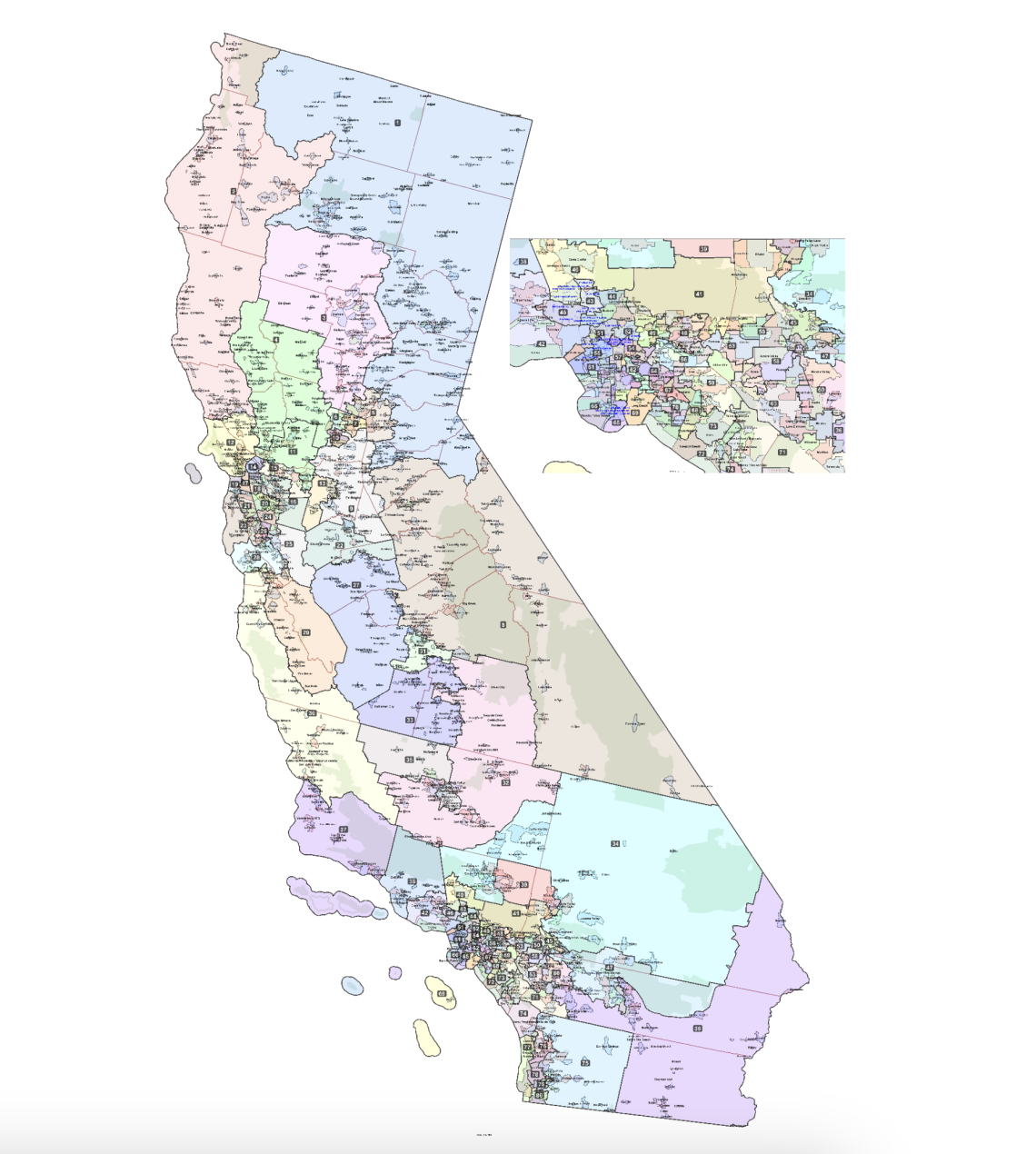
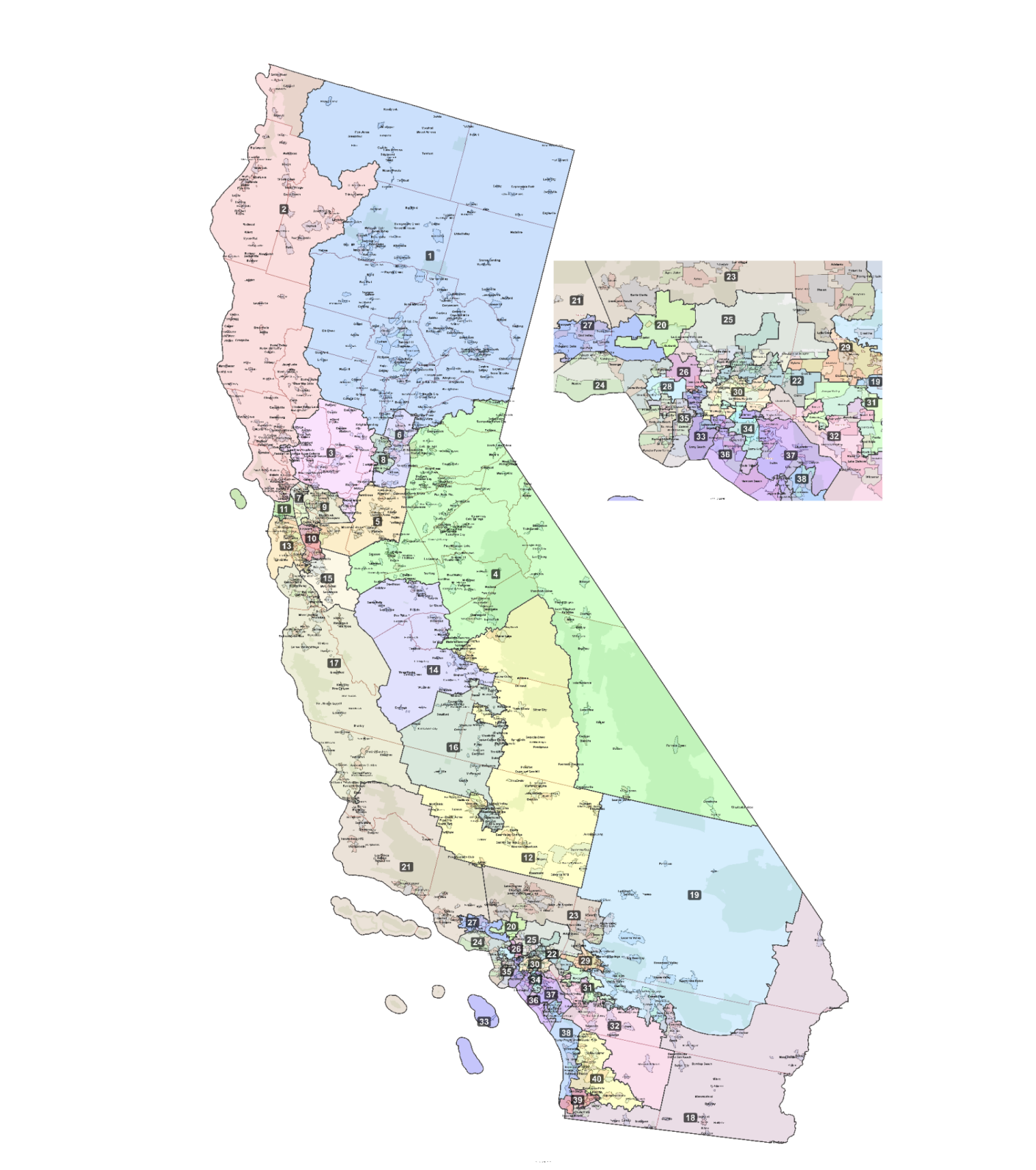
CA State Assembly Districts